
Conference Venue
The conference venue is set in The UNU Annex Space, The United Nations University, Tokyo, at a modern site equipped with the latest facilities. The site has large auditoriums and breakout rooms, making it a natural place to network, share, and collaborate.
5-53-70 Jingumae, Shibuya-ku, Tokyo 150-8925 Japan
The conference venue is situated next to transportation centers for quick and easy access for participants, and transportation options are available to ease the participants arrival.
The nearest airport is Tokyo Narita Airport (NRT)
Multiple bus and train lines connect directly to the conference venue
Several hotels can be easily accessed by foot or a brief transportation from the conference venue. These hotels range from economical to premium accommodations to ensure participants have all they need regarding comfort
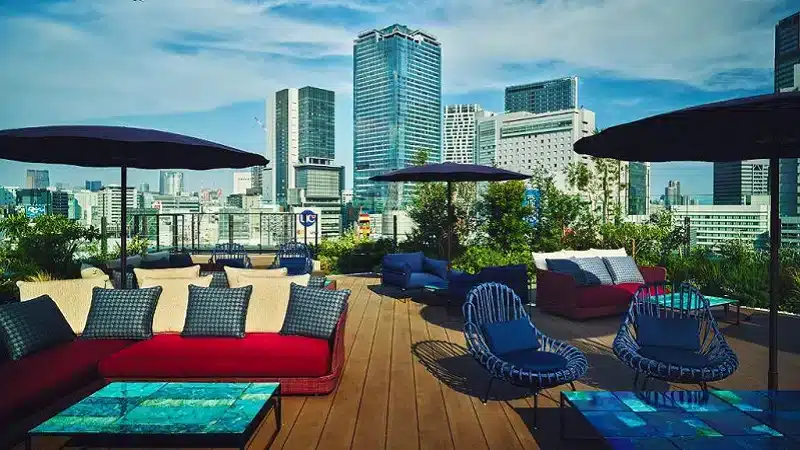
Hotel Indigo Tokyo Shibuya by IHG
Address: 2 Chome-25-12 Dogenzaka, Shibuya, Tokyo 150-0043, Japan
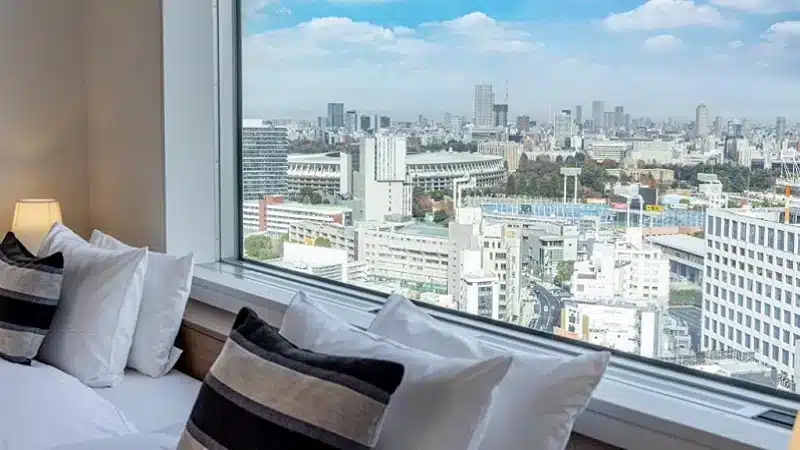
Tokyu Stay Aoyama Premier
Address: 2 Chome-27-18 Minamiaoyama, Minato City, Tokyo 107-0062, Japan
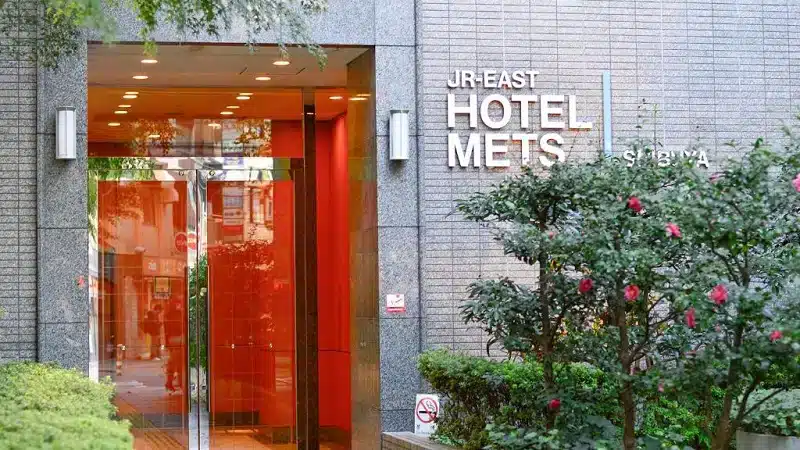
JR‑EAST HOTEL METS SHIBUYA
Address: 3 Chome-29-17 Shibuya, Tokyo 150-0002, Japan
The official currency of Japan is the Japanese Yen (symbol: ¥). One Yen is divided into 100 sen (sen are no longer commonly used). Coins are issued in denominations of 1, 5, 10, 50, 100 and 500 Yen, while banknotes are available in 1,000, 2,000, 5,000 and 10,000 Yen. Cash is widely used in Japan, although credit and debit cards are increasingly accepted in major cities like Tokyo.
In Japan the standard voltage is 100 V with a frequency of 50 Hz in eastern Japan (including Tokyo). The power plugs are Type A and Type B, the same as those used in the United States. Travelers from countries using 220–240 V will need a voltage converter and possibly a plug adapter for their electrical appliances.
Travelers entering Japan may bring a limited quantity of medication for personal use. Prescription medicines are generally allowed for up to one month’s supply, while over-the-counter medications are typically limited to two months’ supply. Some medications that are legal in other countries may be restricted or prohibited in Japan, especially those containing stimulants, narcotics, or certain psychotropic substances. It is recommended to check Japanese regulations in advance and carry prescriptions or medical documentation when necessary.
Tokyo is served by two major international airports: Narita International Airport (IATA: NRT), located approximately 60 km (37 mi) east of central Tokyo, and Haneda Airport (Tokyo International Airport, IATA: HND), located about 15 km (9 mi) south of the city center. Haneda handles a large number of domestic flights as well as international routes, while Narita is a major hub for long-haul international travel.
Tokyo has one of the most extensive and efficient railway networks in the world. Tokyo Station is the city’s main rail hub, serving local, regional, and long-distance trains, including the Shinkansen (bullet trains) connecting Tokyo with major cities across Japan. Other major stations such as Shinjuku, Shibuya, and Ueno also function as key transportation hubs.
Tokyo’s public transport system includes trains, subways, buses, and monorails. The Tokyo Metro and Toei Subway operate numerous underground lines covering the entire city. Trains are punctual, frequent, and easy to use. Tickets and rechargeable IC cards (such as Suica and PASMO) can be used across most transport services. Public transport generally operates from early morning until around midnight, with limited late-night services.
Alternative Transport
In Tokyo, popular alternative transportation services include:
Bikes
Tokyo offers bicycle rental and bike-sharing services throughout the city. Public bike-sharing systems allow users to rent and return bicycles at designated stations, often located near train stations and popular areas. Registration is usually required via a mobile app or website, and payment is made by credit card or electronic payment systems. Cycling is a popular way to explore neighborhoods, though riders should follow local traffic rules and regulations.
Nationals of many countries are allowed to enter Japan without a visa for short-term stays, usually up to 90 days, for tourism or business purposes. Travelers from countries not covered by visa exemption agreements must obtain a visa prior to arrival. Passports must be valid for the duration of the stay. Visitors are not permitted to engage in paid work without the appropriate visa.
Find answers to common questions about the venue and accommodation for our conference.
There are several hotels nearby, ranging from budget to luxury options. We recommend booking early to get the best rates. Check our accommodation section for a list of recommended accommodations near the conference venue.
Tokyo Narita Airport (NRT) is just 1 hour drive from the venue by taxi. You can also take the train or the metro.
Yes. The venue is well connected by bus, train, and metro lines, making it easy to reach from anywhere in the city.
We recommend booking flights and accommodations as early as possible. Check local travel advisories and plan for potential delays. Don't forget to explore the city while you're here!
Still have Questions about the Conference Venue?
Reach out to the support team for assistance.
Subscribe to receive the latest news, updates, and important information about the conference